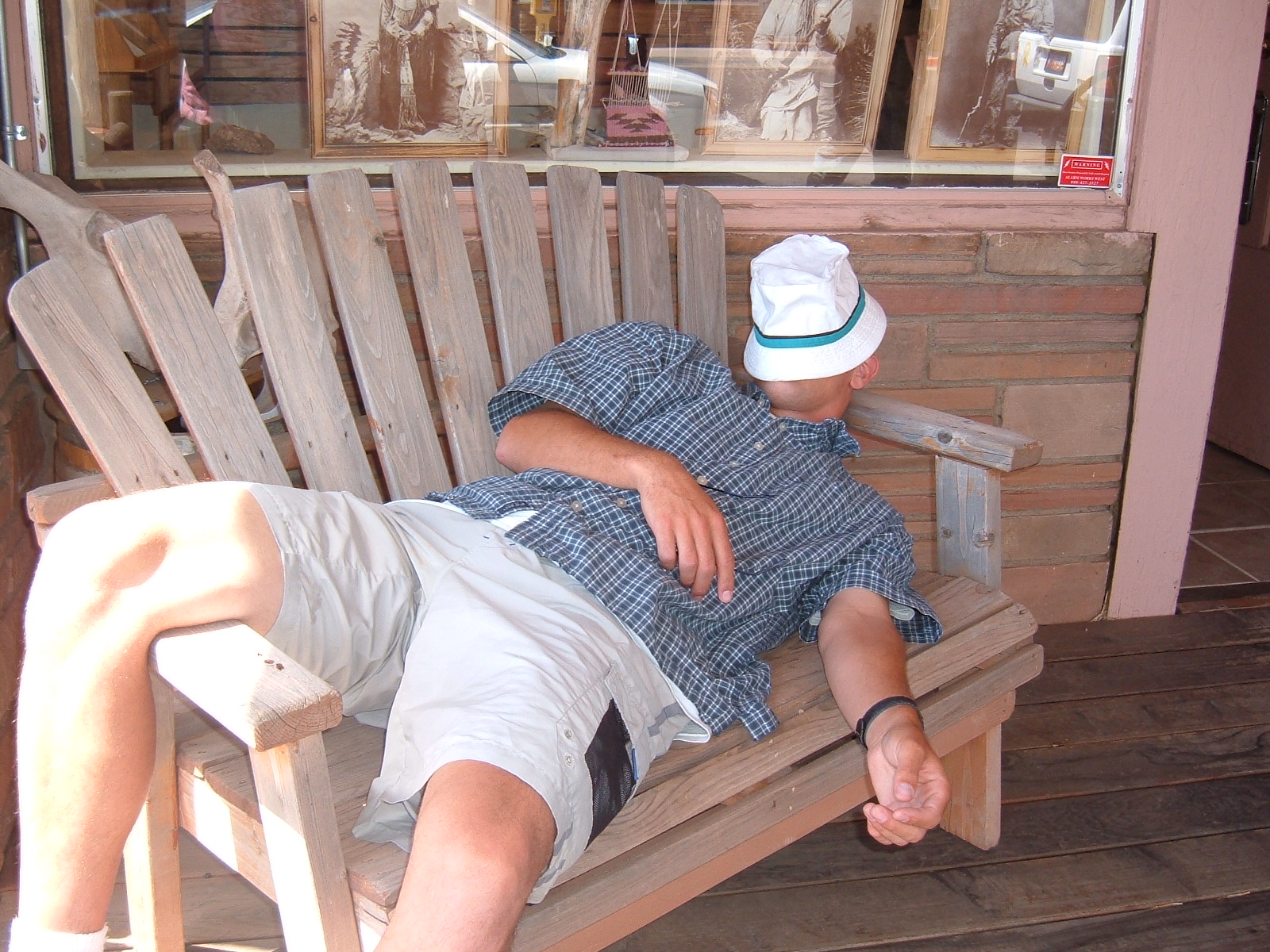

- Now is the time to clean off that desk – Yes, get the shredder and the recycle bin and plow through those stacks of grant narrative revisions you don’t need, those research documents you need to file away for next year, and those bazillion dog-eared post its stuck to everything.
- Clean out your email In-Box – You may be pushing the memory limits on your mail provider anyway and let’s face it, you only need so many forwarded emails in there with PowerPoint presentations of waterfalls, kittens, and guys falling off stuff.
- Clean out your e-files like your documents file which I can imagine has tons (digital tons) of loose documents that you made up in a hurry and then didn’t have time to file away in their proper location, or maybe there wasn’t even a file folder created!
- Send out thank you/wish you a great summer cards and/or email to all your clients, previous clients, and anyone who might be a future client. Give them a heads up of any upcoming grant opportunities you’re aware of.
- Write some blog posts and queue them up to post automatically for the rest of the summer, one less thing to think about for the summer months if you take a little time to do it.
- Review your client list and note their priorities for the coming year then use the list to match their needs to potential grant opportunities. There may be some prep that can be done with them or you may be able to lock in a contract for writing in advance.
- Visit local agencies and organizations you don’t have relationships to meet people face to face. Just call and if you can get an appointment, you’re in. Do a little research on them and bring them a few examples of grants they might be interested in. Bring your marketing material and don’t forget your business card and your smile!
- Participate in training opportunities and networking events to expand your network.
- Fine tune your online presence. Are you using social media to your advantage? Are you positioned as an expert in grant writing online? It might be time to freshen up your web site.
- Review the results of the past year. Review readers’ comments and if you don’t have copies, contact your clients to see if they have them and just forgot to send them along. If you had some unsuccessful proposals, see if the grants that were funded have been posted by the funding agency and read them.
Category Archives: grants
Good Grant Writing Blurs the Lines between Fact and Fiction
Positive Thinking in a Changing Grant World
One of the key attributes our clients seek in a grant writer is a positive attitude. Agencies and managers who seek grants customarily do so out of a desire to expand their programs. They willingly take on more work to positively impact more clients and to spread the influence of their services. About 99% of the people I’ve written grants for are optimistic, mission-driven, and highly dedicated.
- Validate the positive people you work with.
- Encourage positive statements when you hear them.
- Stay out of drama whenever possible.
- Self-monitor your own language and avoid joining negative conversations.
- Smile…don’t react or respond to negativity, turn it around.
Photo Credit: Rodolfo Clix
Even a Grant Writer Needs a Break!
I am enjoying my coffee and my Al Stewart station on Pandora, it’s a nice little interlude in the day. This blog is about the importance of taking breaks since that’s what is on my mind at the moment.
client is, whether a grant will be funded, when a client will send that overdue
check I desperately need to deposit.
Other posts you may enjoy:
Is Grant Writing Keeping You Up at Night?
Writers Must Know Their Limits
Is Grant Writing Keeping You Up at Night?
The deadline is coming, it’s less than 36 hours away. Your narrative is coming along, but you aren’t confident about it yet. You haven’t received all of the signature pages and letters of support from the client and grant partners. Forget about the budget narrative, you haven’t even gone there yet. You’re worried and tired so your anxiety level is peaking.
Veteran grant writers know these feelings well. There are times when a grant comes together so smoothly it feels effortless. Then, there are the grants that feel as though they will never come together. Tough grants cause high anxiety that grows over the period of development as the pieces of the proposal seem to defy gravity or force of will.
A veteran grant writer has fewer of these experiences than a novice. Through experience we learn to sidestep some potential problems. But much of what goes into a grant proposal such as signature pages, letters of commitment, MOU’s, budget figures come from people and/or organizations outside of the grant writer’s control. Depending on others can be problematic for lots of reasons: People are busy; People are flawed; People forget things; People lose things; People do not always read emails from others who ask them to do things.
When the anxiety of an approaching deadline strikes, it’s wise to take some concrete steps to place the responsibility where it belongs and refocus on what you can directly impact.
1. Carry out a campaign of direct, polite, yet redundant, communication to unresponsive people using a variety of media (phone calls, emails, text messages, Skype phone calls, etc) and personal visits if needed.
2. Stick to your checklist and complete all the items you have control over.
3. Document your efforts to collect missing information.
4. Keep a folder of all emails related to the project, a folder of all memos, and a folder of all documents developed.
A grant writer is a ring master as well as the main performer in the proposal development circus. Striking a good balance between the two roles is important if you’re going to get any sleep.
Related Posts:
Time Management Tips for Grant Writers
Good Grant Writers are like Wedding Planners
Stress Relief through Laughter
Photo Credit – Nara Vieira da Silva Osga
Top Ten Reasons Why Your Grant Wasn’t Funded: Part I
There are lots of possible reasons why a grant isn’t funded. Obvious ones are things like missing the deadline (I want no scuses Lucy), the funder ran out of money (recessions hit everyone), the dog ate your application (bad dog), etc. There are also subtle reasons and here are ten I’ve taken from my experience scoring grants and reviewing reader comments.
1. Your grant was reviewed by somebody from another state who has a grudge against your state. (Personally, I would never fund anything for Hawaii, they’re blessed with 360 degrees of beaches and 365 days of sun, what else do they need? Joking, joking, stop throwing coconuts.)
2. Your grant was reviewed by someone with a strong bias in favor of a particular methodology – and you didn’t use it in your program design. (In the old days you could get caught in the old Apple-PC debate!)
3. Your grant was reviewed by someone unfamiliar with the field you’re writing for – and you did not explain your program adequately for them to understand it. (The project director for agriculture in northern Iowa might be called in to read early childhood education grants.)
4. Your grant was the last to be reviewed by a frustrated triad of fractious – and unemployed – PhD’s competing to prove they’re qualified to serve on your dissertation committee. (Mail order PhD’s are particularly fractious and tend to stuff their computer bags with continental breakfast snails and Splenda® packets)
5. Your grant lacked the detail necessary to tie all the parts together – things like numbering the tables, figures, and graphics then providing a table for these elements. (Or you used too much of all of these things and did not explain your program in enough detail in narrative.)
Five more later…
Posts like this one:
Ten Quick and Easy Ways to Make Any Grant Application Better
Getting Past the What to the How
The Ten Best Things about Being a Grant Writer
1. Being paid to write.
2. Finding money to fund energy and ideas.
3. Helping other people achieve their dreams.
4. Supporting worthwhile causes.
5. Competition.
6. Ability to work anywhere, literally.
7. The broad range of topics to write about.
8. Working with a variety of people, in a variety of locations, across a variety of agencies.
9. Working with highly motivated people on a mission.
10. Calling a client to tell them their grant was funded!
I heard a great example given last week in a meeting. The speaker told us all to write our name with our dominant hand, simple, easy. Now, he told us, write your name with your other hand. Hard isn’t it? I had to agree, my scribbled name attested to it.
He said to us that working where you are gifted is like writing with your dominant hand, it’s easier and it flows out of you. But trying to work outside your gifts will make your life feel like you’re writing with your other hand. It’s harder and less productive; it just doesn’t feel right.
Maybe the example hit home even more strongly for me since I am a writer, but it resonated for me. Grant writing feels like writing with my right hand, that’s probably the best thing about being a grant writer for me.
Related Posts:
Relax – Tell Your Story
Are You the Bear or the Salmon?
The Ten Best Things about Being a Grant Writer
1. Being paid to write.
2. Finding money to fund energy and ideas.
3. Helping other people achieve their dreams.
4. Supporting worthwhile causes.
5. Competition.
6. Ability to work anywhere, literally.
7. The broad range of topics to write about.
8. Working with a variety of people, in a variety of locations, across a variety of agencies.
9. Working with highly motivated people on a mission.
10. Calling a client to tell them their grant was funded!
I heard a great example given last week in a meeting. The speaker told us all to write our name with our dominant hand, simple, easy. Now, he told us, write your name with your other hand. Hard isn’t it? I had to agree, my scribbled name attested to it.
He said to us that working where you are gifted is like writing with your dominant hand, it’s easier and it flows out of you. But trying to work outside your gifts will make your life feel like you’re writing with your other hand. It’s harder and less productive; it just doesn’t feel right.
Maybe the example hit home even more strongly for me since I am a writer, but it resonated for me. Grant writing feels like writing with my right hand, that’s probably the best thing about being a grant writer for me.
Related Posts:
Relax – Tell Your Story
Are You the Bear or the Salmon?
Eleven Ways to Earn Valentines as a Grant Writer
Grant Writers are either hero or goat depending on the outcome of our latest application. It is a fact of the profession that our best efforts to write a perfect grant are not always rewarded. Failure is not appreciated by clients and it can strain relationships. Around Valentines, you may be wondering “where’s the love?”
Here are ten ways to avoid excessive rejection and/or make lemonade from the lemons of grant rejection.
Limit disappointing grant rejections by:
1. Being clear up-front with each client about the competitive nature of the grant business.
2. Making no guarantees and have a frank discussion about the risky nature of submitting grant proposals.
3. Charging an ethical price for writing. (fair to you as well as your client)
4. Carefully work with the client on selecting what you will and won’t write so you are not inflating your client’s expectations falsely in terms of a) your ability in a specific field; b) the likelihood of receiving funding.
5. Involving the client in the writing process including approval of the final narrative it is submitted.
Making DELICIOUS Lemonade by:
1. Offering a free rewrite policy like Creative Resources & Research does.
2. Reviewing the readers’ comments with your client.
3. Assisting your client with planning processes to resubmit.
4. Identifying additional sources of funding that the grant could be re-tooled for and submitted to.
5. Assisting your client with a protest if warranted.
6. Writing a brief, objective summary of why the grant was rejected and send it to the client (if you know why). They can use this with their supervisors and Board members. It may help diminish the impression that you just did a crummy job of grant writing.
Grant rejection can erode the affection of your clients. If you’re in the business for any length of time you’re going to lose a competition every now and then straining even a good relationship with a client. This is a fact of life as a grant writing consultant so do your best to avoid writing unlikely proposals and when you do miss one, spend the time with your client to review, plan and rewrite whenever possible. This way you’ll build a partnership with your client that will stand the test of occasional grant rejection, and perhaps you’ll get some flowers and candy on Valentines Day.
Related Posts:
3 Lessons Learned from Failure
If It’s Not Right, Just Say No
Is There a Formula for Grant Writing Success?
Photo Credit : D. Sharon Pruitt
Eleven Ways to Earn Valentines as a Grant Writer
Grant Writers are either hero or goat depending on the outcome of our latest application. It is a fact of the profession that our best efforts to write a perfect grant are not always rewarded. Failure is not appreciated by clients and it can strain relationships. Around Valentines, you may be wondering “where’s the love?”
Here are ten ways to avoid excessive rejection and/or make lemonade from the lemons of grant rejection.
Limit disappointing grant rejections by:
1. Being clear up-front with each client about the competitive nature of the grant business.
2. Making no guarantees and have a frank discussion about the risky nature of submitting grant proposals.
3. Charging an ethical price for writing. (fair to you as well as your client)
4. Carefully work with the client on selecting what you will and won’t write so you are not inflating your client’s expectations falsely in terms of a) your ability in a specific field; b) the likelihood of receiving funding.
5. Involving the client in the writing process including approval of the final narrative it is submitted.
Making DELICIOUS Lemonade by:
1. Offering a free rewrite policy like Creative Resources & Research does.
2. Reviewing the readers’ comments with your client.
3. Assisting your client with planning processes to resubmit.
4. Identifying additional sources of funding that the grant could be re-tooled for and submitted to.
5. Assisting your client with a protest if warranted.
6. Writing a brief, objective summary of why the grant was rejected and send it to the client (if you know why). They can use this with their supervisors and Board members. It may help diminish the impression that you just did a crummy job of grant writing.
Grant rejection can erode the affection of your clients. If you’re in the business for any length of time you’re going to lose a competition every now and then straining even a good relationship with a client. This is a fact of life as a grant writing consultant so do your best to avoid writing unlikely proposals and when you do miss one, spend the time with your client to review, plan and rewrite whenever possible. This way you’ll build a partnership with your client that will stand the test of occasional grant rejection, and perhaps you’ll get some flowers and candy on Valentines Day.
Related Posts:
3 Lessons Learned from Failure
If It’s Not Right, Just Say No
Is There a Formula for Grant Writing Success?
Photo Credit : D. Sharon Pruitt